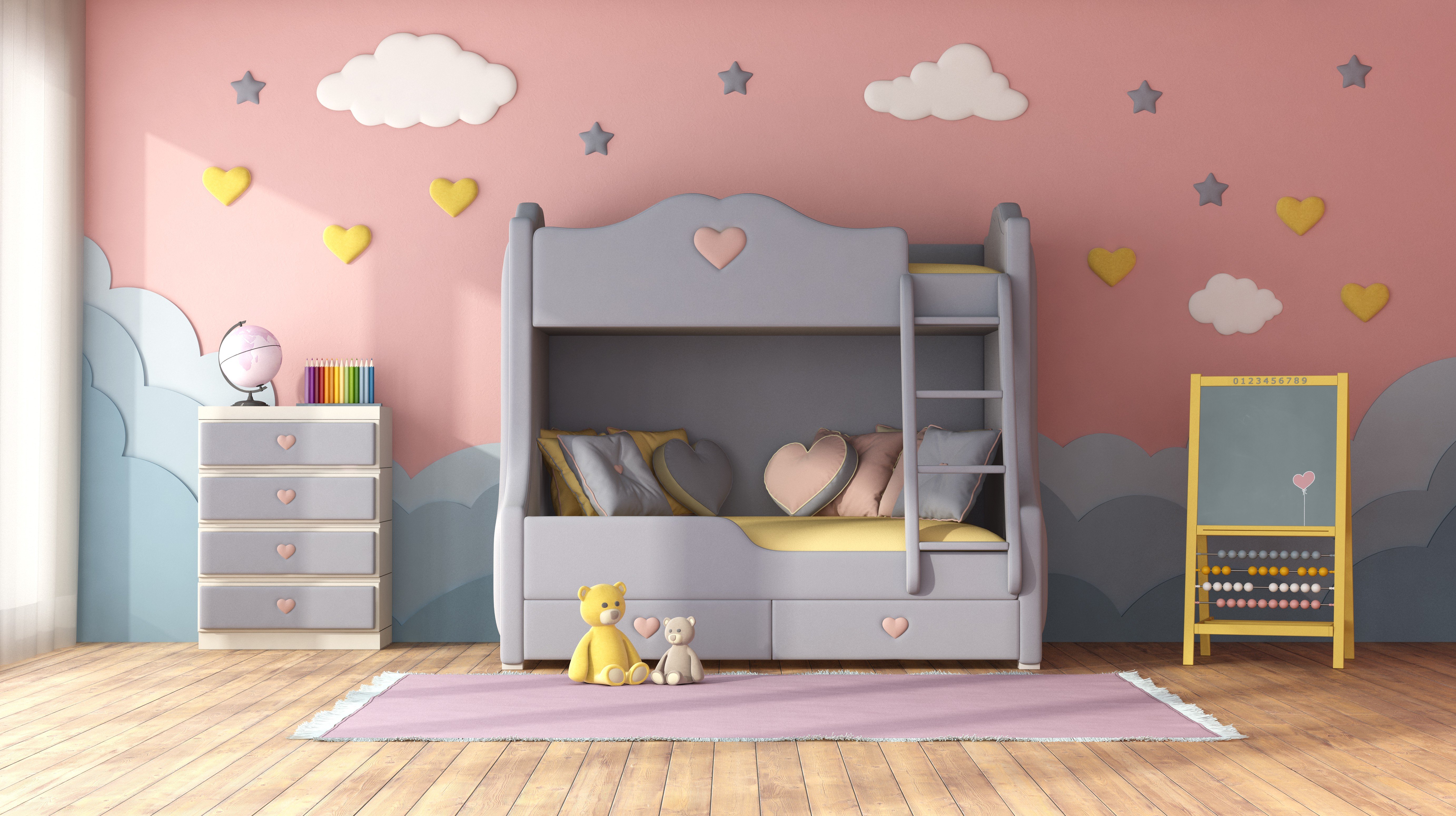
Your Worst Nightmare Concerning Bunk Beds Bring To Life
Bunk Beds UK: Maximizing Space and Style in British Homes
In the ever-evolving landscape of contemporary living, space optimization has actually ended up being an essential consideration, particularly within the compact measurements of numerous UK homes. For families, especially those with several children, the difficulty of producing comfortable and practical bedrooms can be significant. This is where the humble yet ingenious bunk bed becomes a champ of space-saving design. Bunk beds, a practical and frequently elegant solution, have long been a staple in British households, providing a creative way to double the sleeping capability of a room without sacrificing valuable floor space.
More than simply a space-saving solution, bunk beds have developed from basic dormitory room requirements to flexible pieces of furnishings that can enhance the aesthetic appeals of a child's bed room and even a guest space. Offered in a myriad of designs, materials, and setups, the modern bunk bed market in the UK caters to diverse requirements and tastes. From traditional wood frames to streamlined metal structures, from fundamental two-tier models to elaborate styles including desks, storage, and play areas, there is a bunk bed to fit practically every home and choice.
This article looks into the world of bunk beds in the UK, exploring their numerous types, benefits, security factors to consider, styling choices, and key aspects to consider when choosing the best model for your home. Whether you are providing a child's bedroom, optimizing a guest space, or just looking for a space-efficient sleeping solution, understanding the subtleties of bunk beds can empower you to make an informed and rewarding choice.
The Space-Saving Marvel: Why Bunk Beds are Perfect for UK Homes
The main appeal of bunk beds, especially in the context of UK homes where area can frequently be at a premium, is their unrivaled ability to take full advantage of vertical area. By stacking 2 beds vertically, bunk beds effectively cut in half the footprint required for sleeping plans. This freed-up flooring location can be transformative, especially in smaller bed rooms.
Consider these space-saving benefits:
- Increased Floor Space: The most obvious benefit is the considerable boost in functional floor area. Rather of 2 beds inhabiting a large portion of the room, a bunk bed combines sleeping areas, leaving sufficient space for play, research study, or extra furnishings like desks, closets, or toy storage. This is specifically beneficial in shared bedrooms where children need area to move around and pursue their specific activities without feeling cramped.
- Enhanced Room Functionality: Bunk beds transform the performance of a room. What was Cody Hale sleeping space can end up being a multi-functional location. With more floor space available, the space can accommodate various zones for sleeping, playing, studying, or perhaps unwinding.
- Ideal for Smaller Homes: In the UK, many homes, particularly in urban locations, feature smaller sized bed rooms. Bunk beds are a lifeline in these circumstances, permitting households to conveniently accommodate children without sacrificing convenience or performance. They are likewise outstanding for guest rooms in smaller sized houses, using beauty sleep capability without completely controling the room's area.
- Innovative Room Layouts: By efficiently making use of vertical area, bunk beds allow for more imaginative and versatile room layouts. Furnishings arrangement ends up being less constrained, and you can check out different spatial configurations to enhance flow and aesthetic appeals.
Exploring the Variety: Types of Bunk Beds Available in the UK
The UK bunk bed market provides a varied range of styles and setups to cater to different needs and spatial plans. Comprehending the different types is essential for making the ideal choice.
Here are some popular types of bunk beds readily available in the UK:
Standard Bunk Beds: The traditional style, featuring 2 beds stacked directly on top of each other. These are space-efficient and uncomplicated, suitable for many bed rooms.
- Pros: Most space-saving option, typically more budget-friendly, basic and classic style.
- Cons: Can feel less spacious for the individual on the bottom bunk, ladder gain access to can in some cases be less convenient.
L-Shaped Bunk Beds: In this design, the lower bed is positioned perpendicularly to the upper bed, developing an “L” shape. This setup offers more headroom for the individual on the lower bunk and develops an unique separation in between the sleeping areas.
- Pros: More headroom on the lower bunk, aesthetically more open, can create a sense of personal privacy.
- Cons: Requires more flooring space compared to standard bunk beds, might not appropriate for really narrow spaces.
Triple Bunk Beds: Designed to sleep three individuals, these can be set up in various ways. Some function three beds stacked vertically, while others may have 2 bunks and a trundle bed, or an L-shaped configuration with a third bed incorporated.
- Pros: Ideal for large families or shared bedrooms with three children, optimizes sleeping capability significantly.
- Cons: Can be quite tall and enforcing, needs sufficient ceiling height, access to the top bunk can be challenging.
Trundle Bunk Beds: These feature a basic bunk bed design with an extra pull-out bed (trundle) located underneath the lower bunk. The trundle is normally on wheels and can be easily rolled out when required and saved away when not in use.
- Pros: Offers versatile sleeping capacity for periodic visitors or pajama parties, space-saving when the trundle is saved, offers an extra bed without completely taking up space.
- Cons: Trundle bed mattresses are often thinner for storage, might require more flooring area to take out the trundle.
Futon Bunk Beds: These combine a standard upper bunk bed with a futon or sofa bed on the bottom. The futon can be utilized as a seating area during the day and converted into a bed during the night.
- Pros: Multi-functional, provides both sleeping and seating space, suitable for teen's spaces or guest rooms.
- Cons: Futon beds may be less comfortable than conventional bed mattress for some, the lower area might feel less roomy with the futon in place.
Loft Beds (Technically Bunk-Related): While not strictly bunk beds, loft beds are frequently considered in the same classification for their space-saving residential or commercial properties. A loft bed is a single bed elevated high enough to develop practical space beneath, which can be used for a desk, storage, a play area, and even a seating nook.
- Pros: Extremely flexible in making use of vertical area, develops a devoted work space or play location below the bed, provides a sense of privacy for the sleeping location.
- Cons: Only sleeps a single person, not ideal for shared bedrooms requiring several sleeping areas, access to the elevated bed needs a ladder.
Materials, Construction, and Safety: Key Considerations for Bunk Beds
The materials and building and construction of a bunk bed are vital, not only for toughness however also for security, especially when children are included. In the UK, bunk beds should follow certain safety requirements, guaranteeing they are robust and developed to reduce threats.
- Products: Common materials consist of solid wood (pine, woods like oak or beech), metal (normally steel), and composites. Wooden bunk beds often use a classic and warm aesthetic, while metal frames tend to be more contemporary and in some cases more budget-friendly. Strong wood is normally thought about more long lasting, while metal can be extremely tough and resistant to wear.
- Building and construction Quality: Look for well-constructed bunk beds with strong frames, safe joints, and robust ladder accessories. The bed ought to feel steady and wobble-free when assembled. Examine reviews and item descriptions for information on build quality and consumer feedback.
- Safety Standards: In the UK, bunk beds should preferably abide by pertinent security requirements, such as BS EN 747-1:2012+A1:2015 (Safety requirements for bunk beds and high beds – Part 1: Safety requirements). Looking for accreditations or compliance with these requirements supplies reassurance regarding the bed's security functions.
- Necessary Safety Features:
- Guardrails: Essential for the top bunk, guardrails need to be sufficiently high and continuous to prevent falls. Look for tough, securely attached guardrails that meet security standards.
- Ladder: The ladder must be robust, firmly attached, and easy to climb. Think about ladder positioning— straight ladders are space-saving, while angled ladders may be simpler for more youthful children to utilize.
- Slat Strength: The slats supporting the bed mattress need to be strong and effectively spaced to provide correct mattress support and avoid sagging.
- Weight Limits: Always comply with the producer's weight limitations for both the upper and lower bunks. Straining can compromise the structural integrity and security of the bed.
Styling and Design: Bunk Beds as a Feature in the Room
Bunk beds are no longer relegated to purely practical roles; they can be stylish centerpieces in a room's decoration. In the UK market, you can find bunk beds in a variety of designs to complement different interior visual appeals.
- Styles: From timeless and standard styles in natural wood finishes to modern-day and minimalist metal frames, and Scandinavian-inspired tidy lines, there's a style to match numerous preferences. Themed bunk beds, like those resembling buses, houses, or castles, are also popular, particularly for younger children's spaces, including a spirited element.
- Colours and Finishes: Bunk beds are offered in a variety of colours, from neutral whites, greys, and natural wood tones to bolder tones like blues, pinks, and greens. Finishes can range from painted surfaces to natural wood spots and metal powder finishings. Choose colours and finishes that harmonize with the room's existing design and colour scheme.
- Incorporating with Décor: Consider how the bunk bed will incorporate with the overall room design. You can select bedding, drapes, and devices that match the bunk bed's design and colour. Using storage solutions created to fit under bunk beds or incorporating storage drawers into the bunk bed frame itself can improve both functionality and aesthetics.
Selecting the Right Bunk Bed: Factors to Consider
Choosing the perfect bunk bed for your UK home includes cautious factor to consider of numerous factors to ensure it fulfills your requirements in regards to area, performance, security, and design.
- Room Size and Layout: Measure the space dimensions precisely, consisting of ceiling height. Ensure the chosen bunk bed size and type will fit conveniently, leaving appropriate area for movement around the bed and other furnishings. Consider the placement of doors, windows, and radiators when preparing bunk bed positioning.
- Variety of Children and Ages: Determine how numerous children will be utilizing the bunk bed and their ages. Age is an important security aspect, as top bunks are typically not recommended for children under 6 years of ages. Think about the long-term needs as children grow— will the bunk bed still be appropriate in a couple of years?
- Design Preferences and Room Décor: Choose a bunk bed style and material that matches the overall décor of the room. Consider whether you choose a wooden or metal frame, and what design (traditional, contemporary, themed) best suits your taste.
- Spending plan: Bunk beds are readily available throughout a variety of price points. Set a budget ahead of time and explore alternatives within that variety. Keep in mind to prioritize security and quality, even when dealing with a tighter spending plan.
- Features and Functionality: Consider any extra functions you may require, such as integrated storage drawers, desks, or rotate beds for extra sleeping capability. Think of the room's specific needs— is storage a concern, or is taking full advantage of flooring area the primary goal?
- Assembly and Delivery: Check whether the bunk bed comes flat-packed and requires self-assembly, or if assembly services are readily available. Consider delivery alternatives and any prospective delivery charges, particularly if buying online.
Where to Buy Bunk Beds in the UK
Bunk beds are extensively available from different retailers in the UK, both online and in physical shops.
- Major Furniture Retailers: Large furnishings chains like Argos, Wayfair, IKEA, Bensons for Beds, Dreams, and Furniture Village provide a broad choice of bunk beds in different styles and price ranges. These merchants frequently have online shops and physical display rooms where you can view items.
- Online Marketplaces: Online marketplaces like Amazon and eBay also host numerous sellers offering bunk beds. Compare costs and check out evaluations thoroughly when buying from these platforms.
- Specialized Bunk Bed Retailers: Some merchants specialize particularly in bunk beds and children's furniture, providing a curated selection and expert recommendations. Searching online for “bunk bed retailers UK” can reveal expert shops.
- Local Furniture Stores: Don't ignore local independent furnishings shops, which may provide unique bunk bed designs and personalized service.
Conclusion: Bunk Beds – A Smart Choice for UK Homes
Bunk beds remain a regularly popular and useful furniture service in the UK, especially for families looking for to take full advantage of space and functionality in their homes. From space-saving performance and varied styles to enhanced room visual appeals and flexible performances, bunk beds offer a wide range of benefits. By carefully thinking about the different types, security elements, styling choices, and your specific requirements, you can with confidence select the ideal bunk bed to develop a comfortable, trendy, and space-optimized sleeping environment in your UK home. Accept the resourcefulness of vertical style and unlock the capacity of your rooms with the ageless appeal of the bunk bed.
FAQs about Bunk Beds in the UK
1. Are bunk beds safe for children?
Yes, when selected and used properly, bunk beds are safe. Make sure the bunk bed satisfies UK safety standards (like BS EN 747), has tough guardrails on the leading bunk, a secure ladder, and is put together properly. Top bunks are not recommended for children under 6 years old.
2. What is the advised age for sleeping on the top bunk?
It is generally suggested that children ought to be at least 6 years of ages before sleeping on the top bunk. This is due to security issues regarding succumbs to more youthful children who might not have the required coordination and awareness.
3. What bed mattress size do bunk beds typically use in the UK?
The majority of bunk beds in the UK are developed to accommodate basic UK single mattresses, which measure approximately 90cm x 190cm (3ft x 6ft3”). Always inspect the maker's requirements for the precise mattress size needed. Bed mattress depth is also crucial for top bunks— make sure the bed mattress is not too thick to maintain enough guardrail height.
4. Just how much space do I need around a bunk bed for security and benefit?
Allow at least 60-75cm (24-30 inches) of clear area around the bunk bed for safe access and egress. Ensure there is enough headroom for the individual on the bottom bunk and appropriate clearance between the leading bunk and the ceiling (ideally at least 75cm/30 inches).
5. Can adults sleep in bunk beds?
Some bunk beds are designed to accommodate adults, particularly those with strong frames and greater weight capacities. Check the maker's weight limit requirements to make sure the bunk bed appropriates for adult use. Loft beds are often popular for grownups in smaller areas.
6. Are bunk beds hard to put together?
Assembly problem varies depending upon the bunk bed style and maker. The majority of bunk beds are flat-packed and require self-assembly. Follow the manufacturer's directions thoroughly. Some merchants offer assembly services for an additional cost if you prefer professional installation.
7. How do I clean a bunk bed?
Regular cleaning keeps bunk beds hygienic and looking their best. Dust wood or metal frames frequently with a soft fabric or duster. Wipe down surfaces with a wet cloth and moderate cleansing service as needed. Vacuum bed mattress routinely. For spills, tidy them without delay according to the mattress and material care guidelines.